
Архив офтальмологии Украины Том 14, №1, 2026
Вернуться к номеру
Індекс тригліцериди — глюкоза як предиктор тяжкого та швидкопрогресуючого перебігу діабетичної ретинопатії при цукровому діабеті 2-го типу
Авторы: Сердюк А.В.
Дніпровський державний медичний університет, м. Дніпро, Україна
Рубрики: Офтальмология
Разделы: Клинические исследования
Версия для печати
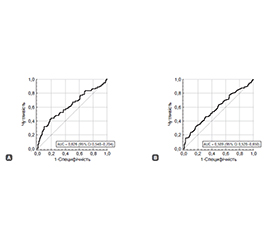
Актуальність. Проліферативна діабетична ретинопатія (ПДР) і швидке прогресування діабетичної ретинопатії (ДР) у пацієнтів із цукровим діабетом 2-го типу (ЦД2) потребують простих маркерів для стратифікації ризику. Індекс тригліцериди — глюкоза (TyG) є простим та надійним показником інсулінорезистентності, який вираховується на основі результатів рутинних лабораторних досліджень. Мета: визначити клінічну та прогностичну значущість індексу TyG як маркера ПДР і швидкого прогресування ДР протягом 2 років спостереження, а також встановити межове значення індексу TyG для практичної стратифікації ризику у пацієнтів із ЦД2. Матеріали та методи. У проспективному когортному дослідженні обстежено 357 пацієнтів із ЦД2 та ДР. Індекс TyG розраховували як ln[тригліцериди × глюкоза натще/2]. Асоціації з кінцевими точками аналізували бінарною логістичною регресією з корекцією на вік, тривалість ЦД2 та систолічний артеріальний тиск; порогове значення індексу TyG визначали за індексом Юдена. Результати. Індекс TyG був вищим у групі ПДР (p < 0,001) та при швидкому прогресуванні ДР (p = 0,004), а його збільшення на кожну одиницю асоціювалося з підвищенням шансів ПДР у 2,73 раза (95% CI 1,45–5,14; p = 0,002) і швидкого прогресування ДР у 1,89 раза (95% СІ 1,15–3,10; p = 0,012). Площа під кривою (AUC) становила 0,626 для ПДР і 0,589 для швидкого прогресування; оптимальний поріг індексу TyG становив 10,63 та забезпечував специфічність 82–83 %. Висновки. Індекс TyG є незалежним маркером тяжкого та швидкопрогресуючого перебігу ДР при ЦД2 і може використовуватись як прагматичний критерій rule-in у складі багатопараметричної стратифікації ризику для пріоритезації офтальмологічного нагляду.
Background. Proliferative diabetic retinopathy (PDR) and rapid progression of DR in patients with type 2 diabetes mellitus (T2DM) require simple markers for risk stratification. The triglyceride-glucose (TyG) index is a simple and reliable indicator of insulin resistance, which is calculated based on the results of routine laboratory tests. The purpose was to determine the clinical and prognostic significance of the TyG index as a marker of PDR and rapid progression of DR during 2 years of observation, as well as to establish a cut-off value of the TyG index for practical risk stratification in patients with T2DM. Materials and methods. In a prospective cohort study, 357 patients with T2DM and DR were examined. TyG index was calculated as ln[triglycerides×fasting glucose/2]. Associations with endpoints were analyzed by binary logistic regression with adjustment for age, T2DM duration, and systolic blood pressure; the threshold value of TyG was determined by the Youden index. Results. The TyG index was higher in the PDR group (p < 0.001) and in the rapidly progressing DR (p = 0.004), and its increase per unit was associated with a 2.73-fold increase in the odds of PDR (95% confidence interval (CI) 1.45–5.14; p = 0.002) and a 1.89-fold increase in the odds of rapid DR progression (95% CI 1.15–3.10; p = 0.012). The area under the curve was 0.626 for PDR and 0.589 for rapid progression; the optimal TyG threshold was 10.63 and provided a specificity of 82–83 %. Conclusions. The TyG index is an independent marker of severe and rapidly progressive PD in T2DM and can be used as a pragmatic “rule in” criterion as part of multiparametric risk stratification for prioritizing ophthalmological surveillance.
діабетична ретинопатія; цукровий діабет 2-го типу; індекс тригліцериди — глюкоза; інсулінорезистентність; стратифікація ризику
diabetic retinopathy; type 2 diabetes mellitus; triglyceride-glucose index; insulin resistance; risk stratification
Для ознакомления с полным содержанием статьи необходимо оформить подписку на журнал.
- International Diabetes Federation. IDF Diabetes Atlas. 11th ed. Brussels: International Diabetes Federation; 2025.
- World Health Organization. Diabetes [Internet]. Geneva: World Health Organization; 2024 [cited 2026 Jan 26].
- Teo ZL, Tham YC, Yu M, Chee ML, Rim TH, Cheung N, et al. Global Prevalence of Diabetic Retinopathy and Projection of Burden through 2045: Systematic Review and Meta-analysis. Ophthalmology. 2021 Nov;128(11):1580-1591. doi: 10.1016/j.ophtha.2021.04.027. Epub 2021 May 1. PMID: 33940045.
- Vision Loss Expert Group of the Global Burden of Disease Study; GBD 2019 Blindness and Vision Impairment Collaborators. Global estimates on the number of people blind or visually impaired by diabetic retinopathy: a meta-analysis from 2000 to 2020. Eye (Lond). 2024 Aug;38(11):2047-2057. doi: 10.1038/s41433-024-03101-5. Epub 2024 Jun 27. PMID: 38937557; PMCID: PMC11269692.
- World Health Organization Regional Office for Europe. Diabetic retinopathy screening: a short guide: increase effectiveness, maximize benefits and minimize harm. Copenhagen: WHO Regional Office for Europe; 2021 [cited 2026 Jan 26].
- Lim JI, Kim SJ, Bailey ST, Kovach JL, Vemulakonda GA, Ying GS, et al.; American Academy of Ophthalmology Preferred Practice Pattern Retina/Vitreous Committee. Diabetic Retinopathy Preferred Practice Pattern®. Ophthalmology. 2025 Apr;132(4):P75-P162. doi: 10.1016/j.ophtha.2024.12.020. Epub 2025 Feb 7. PMID: 39918521.
- American Diabetes Association Professional Practice Committee for Diabetes. 12. Retinopathy, Neuropathy, and Foot Care: Standards of Care in Diabetes-2026. Diabetes Care. 2026 Jan 1;49(Supplement_1):S261-S276. doi: 10.2337/dc26-S012. PMID: 41358886; PMCID: PMC12690177.
- Yang Z, Tan TE, Shao Y, Wong TY, Li X. Classification of diabetic retinopathy: Past, present and future. Front Endocrinol (Lausanne). 2022 Dec 16;13:1079217. doi: 10.3389/fendo.2022.1079217. PMID: 36589807; PMCID: PMC9800497.
- Drinkwater JJ, Kalantary A, Turner AW. A systematic review of diabetic retinopathy screening intervals. Acta Ophthalmol. 2024 Jun;102(4):e473-e484. doi: 10.1111/aos.15788. Epub 2023 Nov 1. PMID: 37915115.
- Stratton IM, Kohner EM, Aldington SJ, Turner RC, Holman RR, Manley SE, et al. UKPDS 50: risk factors for incidence and progression of retinopathy in Type II diabetes over 6 years from diagnosis. Diabetologia. 2001 Feb;44(2):156-63. doi: 10.1007/s001250051594. PMID: 11270671.
- UK Prospective Diabetes Study Group. Tight blood pressure control and risk of macrovascular and microvascular complications in type 2 diabetes: UKPDS 38. UK Prospective Diabetes Study Group. BMJ. 1998 Sep 12;317(7160):703-13. Erratum in: BMJ 1999 Jan 2;318(7175):29. PMID: 9732337; PMCID: PMC28659.
- Cheung N, Mitchell P, Wong TY. Diabetic retinopathy. Lancet. 2010 Jul 10;376(9735):124-36. doi: 10.1016/S0140-6736(09)62124-3. Epub 2010 Jun 26. PMID: 20580421.
- Wong TY, Cheung CM, Larsen M, Sharma S, Simó R. Diabetic retinopathy. Nat Rev Dis Primers. 2016 Mar 17;2:16012. doi: 10.1038/nrdp.2016.12. PMID: 27159554.
- Gui F, You Z, Fu S, Wu H, Zhang Y. Endothelial Dysfunction in Diabetic Retinopathy. Front Endocrinol (Lausanne). 2020 Sep 4;11:591. doi: 10.3389/fendo.2020.00591. PMID: 33013692; PMCID: PMC7499433.
- Forrester JV, Kuffova L, Delibegovic M. The Role of Inflammation in Diabetic Retinopathy. Front Immunol. 2020 Nov 6;11:583687. doi: 10.3389/fimmu.2020.583687. PMID: 33240272; PMCID: PMC7677305.
- Rudraraju M, Narayanan SP, Somanath PR. Regulation of blood-retinal barrier cell-junctions in diabetic retinopathy. Pharmacol Res. 2020 Nov;161:105115. doi: 10.1016/j.phrs.2020.105115. Epub 2020 Aug 1. PMID: 32750417; PMCID: PMC7755666.
- Pan WW, Lin F, Fort PE. The innate immune system in diabetic retinopathy. Prog Retin Eye Res. 2021 Sep;84:100940. doi: 10.1016/j.preteyeres.2021.100940. Epub 2021 Jan 8. PMID: 33429059; PMCID: PMC8263813.
- Gomułka K, Ruta M. The Role of Inflammation and Therapeutic Concepts in Diabetic Retinopathy — A Short Review. Int J Mol Sci. 2023 Jan 5;24(2):1024. doi: 10.3390/ijms24021024. PMID: 36674535; PMCID: PMC9864095.
- Andrés-Blasco I, Gallego-Martínez A, Machado X, Cruz-Espinosa J, Di Lauro S, et al. Oxidative Stress, Inflammatory, Angiogenic, and Apoptotic molecules in Proliferative Diabetic Retinopathy and Diabetic Macular Edema Patients. Int J Mol Sci. 2023 May 4;24(9):8227. doi: 10.3390/ijms24098227. PMID: 37175931; PMCID: PMC10179600.
- Zheng Z, Yu X. Insulin resistance in the retina: possible implications for certain ocular diseases. Front Endocrinol (Lausanne). 2024 Jun 17;15:1415521. doi: 10.3389/fendo.2024.1415521. PMID: 38952394; PMCID: PMC11215121.
- Simental-Mendía LE, Rodríguez-Morán M, Guerrero-Romero F. The product of fasting glucose and triglycerides as surrogate for identifying insulin resistance in apparently healthy subjects. Metab Syndr Relat Disord. 2008 Dec;6(4):299-304. doi: 10.1089/met.2008.0034. PMID: 19067533.
- Guerrero-Romero F, Simental-Mendía LE, González-Ortiz M, Martínez-Abundis E, Ramos-Zavala MG, Hernández-González SO, et al. The product of triglycerides and glucose, a simple measure of insulin sensitivity. Comparison with the euglycemic-hyperinsulinemic clamp. J Clin Endocrinol Metab. 2010 Jul;95(7):3347-51. doi: 10.1210/jc.2010-0288. Epub 2010 May 19. PMID: 20484475.
- Chiu H, Tsai HJ, Huang JC, Wu PY, Hsu WH, Lee MY, et al. Associations between Triglyceride-Glucose Index and Micro- and Macro-angiopathies in Type 2 Diabetes Mellitus. Nutrients. 2020 Jan 26;12(2):328. doi: 10.3390/nu12020328. PMID: 31991925; PMCID: PMC7071226.
- Pan Y, Zhong S, Zhou K, Tian Z, Chen F, Liu Z, et al. Association between Diabetes Complications and the Triglyceride-Glucose Index in Hospitalized Patients with Type 2 Diabetes. J Diabetes Res. 2021 Oct 11;2021:8757996. doi: 10.1155/2021/8757996. PMID: 34671683; PMCID: PMC8523276.
- Srinivasan S, Singh P, Kulothungan V, Sharma T, Raman R. Relationship between triglyceride glucose index, retinopathy and –nephropathy in Type 2 diabetes. Endocrinol Diabetes Metab. 2020 Aug 19;4(1):e00151. doi: 10.1002/edm2.151. PMID: 33532603; PMCID: PMC7831221.
- Yao L, Wang X, Zhong Y, Wang Y, Wu J, Geng J, et al. The Triglyceride-Glucose Index is Associated with Diabetic Retinopathy in Chinese Patients with Type 2 Diabetes: A Hospital-Based, Nested, Case-Control Study. Diabetes Metab Syndr Obes. 2021 Apr 9;14:1547-1555. doi: 10.2147/DMSO.S294408. PMID: 33859485; PMCID: PMC8043781.
- Neelam K, Aung KCY, Ang K, Tavintharan S, Sum CF, Lim SC. Association of Triglyceride Glucose Index with Prevalence and Incidence of Diabetic Retinopathy in a Singaporean Population. Clin Ophthalmol. 2023 Feb 2;17:445-454. doi: 10.2147/OPTH.S382336. PMID: 36755892; PMCID: PMC9901446.
- Zhou J, Zhu L, Li Y. Association between the triglyceride glucose index and diabetic retinopathy in type 2 diabetes: a meta-analysis. Front Endocrinol (Lausanne). 2023 Dec 7;14:1302127. doi: 10.3389/fendo.2023.1302127. PMID: 38130393; PMCID: PMC10733479.
- Kassab HS, Osman NA, Elrahmany SM. Assessment of Triglyceride-Glucose Index and Ratio in Patients with Type 2 Diabetes and Their Relation to Microvascular Complications. Endocr Res. 2023 Oct 2;48(4):94-100. doi: 10.1080/07435800.2023.2245909. Epub 2023 Aug 11. PMID: 37565769.
- Kanda Y. Investigation of the freely available easy-to-use software 'EZR' for medical statistics. Bone Marrow Transplant. 2013 Mar;48(3):452-8. doi: 10.1038/bmt.2012.244. Epub 2012 Dec 3. PMID: 23208313; PMCID: PMC3590441.
- Amirashov A, Balmukhanova A, Koishybayev A, Petrachkov D, Koishybayeva D, et al. The triglyceride-glucose index as a biomarker of diabetic retinopathy: a systematic review and meta-analysis. Front Med (Lausanne). 2025 Oct 27;12:1677818. doi: 10.3389/fmed.2025.1677818. PMID: 41221513; PMCID: PMC12597932.
- Yao Q, Liu SQ. Association of triglyceride glucose index with diabetic retinopathy in middle-aged and elderly ambulatory type 2 diabetic patients. Front Endocrinol (Lausanne). 2025 Apr 1;16:1442230. doi: 10.3389/fendo.2025.1442230. PMID: 40235663; PMCID: PMC11996629.
- Nayak SS, Kuriyakose D, Polisetty LD, Patil AA, Ameen D, Bonu R, et al. Diagnostic and prognostic value of triglyceride glucose index: a comprehensive evaluation of meta-analysis. Cardiovasc Diabetol. 2024 Aug 23;23(1):310. doi: 10.1186/s12933-024-02392-y. PMID: 39180024; PMCID: PMC11344391.
- Tu Z, Du J, Ge X, Peng W, Shen L, Xia L, et al. Triglyceride Glucose Index for the Detection of Diabetic Kidney Disease and Diabetic Peripheral Neuropathy in Hospitalized Patients with Type 2 Diabetes. Diabetes Ther. 2024 Aug;15(8):1799-1810. doi: 10.1007/s13300-024-01609-3. Epub 2024 Jun 22. PMID: 38907937; PMCID: PMC11263315.
- Li Z, Yuan Y, Qi Q, Wang Q, Feng L. Relationship between dyslipidemia and diabetic retinopathy in patients with type 2 diabetes mellitus: a systematic review and meta-analysis. Syst Rev. 2023 Aug 24;12(1):148. doi: 10.1186/s13643-023-02321-2. PMID: 37620980; PMCID: PMC10463379.
- Keech AC, Mitchell P, Summanen PA, OʼDay J, Davis TM, Moffitt MS, et al.; FIELD study investigators. Effect of fenofibrate on the need for laser treatment for diabetic retinopathy (FIELD study): a randomised controlled trial. Lancet. 2007 Nov 17;370(9600):1687-97. doi: 10.1016/S0140-6736(07)61607-9. Epub 2007 Nov 7. PMID: 17988728.
- ACCORD Study Group; ACCORD Eye Study Group; Chew EY, Ambrosius WT, Davis MD, Danis RP, Gangaputra S, Greven CM, et al. Effects of medical therapies on retinopathy progression in type 2 diabetes. N Engl J Med. 2010 Jul 15;363(3):233-44. doi: 10.1056/NEJMoa1001288. Epub 2010 Jun 29. Erratum in: N Engl J Med. 2011 Jan 13;364(2):190. Erratum in: N Engl J Med. 2012 Dec 20;367(25):2458. PMID: 20587587; PMCID: PMC4026164.
- Mellor J, Jeyam A, Beulens JWJ, Bhandari S, Broadhead G, Chew E, et al. Role of Systemic Factors in Improving the Prognosis of Diabetic Retinal Disease and Predicting Response to Diabetic Retinopathy Treatment. Ophthalmol Sci. 2024 Feb 17;4(4):100494. doi: 10.1016/j.xops.2024.100494. PMID: 38694495; PMCID: PMC11061755.
- Simó R, Franch-Nadal J, Vlacho B, Real J, Amado E, Flores J, et al. Rapid Reduction of HbA1c and Early Worsening of Diabetic Retinopathy: A Real-world Population-Based Study in Subjects with Type 2 Diabetes. Diabetes Care. 2023 Sep 1;46(9):1633-1639. doi: 10.2337/dc22-2521. PMID: 37428631.