
Журнал «Травма» Том 27, №4, 2026
Вернуться к номеру
Хірургічне лікування вогнепальних переломів стегнової кістки: роль маркерів запалення
Авторы: Бородюк Д.В. (1, 2), Зазірний І.М. (1, 2), Анкін М.Л. (1), Ладика В.О. (1)
(1) - Національний університет охорони здоров’я України імені П.Л. Шупика, м. Київ, Україна
(2) - Центр ортопедії, травматології та спортивної медицини клінічної лікарні «Феофанія», м. Київ, Україна
Рубрики: Травматология и ортопедия
Разделы: Клинические исследования
Версия для печати
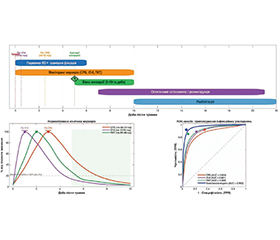
Актуальність. Вогнепальні переломи стегнової кістки належать до найскладніших проблем військової та цивільної травматології через високоенергетичний характер ушкодження, формування обширних дефектів кісткової та м’якотканинної складових, значну контамінацію ранового каналу та порушення васкуляризації тканин. Частка таких ушкоджень у структурі бойових поранень кінцівок сягає 15–22 %, причому спостерігається тенденція до зростання кількості високоенергетичних травм із багатоуламковими переломами та критичними дефектами. Складність лікування визначається необхідністю балансування між радикальністю первинної хірургічної обробки та збереженням життєздатних тканин для подальшої реконструкції. Мета: провести систематичний огляд сучасних стратегій хірургічного лікування вогнепальних переломів стегнової кістки та узагальнити доступні дані щодо ролі маркерів системної запальної відповіді, зокрема прокальцитоніну (ПКТ), інтерлейкіну-6 (ІЛ-6) та С-реактивного білка (СРБ), у плануванні хірургічної тактики та оцінці ризику ускладнень. Матеріали та методи. Виконано систематичний огляд із дотриманням положень PRISMA 2020. Пошук здійснювався у базах PubMed, Scopus, Web of Science та Cochrane Library за період 2018–2025 рр. із використанням пошукових комбінацій на основі термінів «gunshot fractures», «femoral fractures», «damage control orthopedics», «external fixation», «intramedullary nailing», «interleukin-6», «C-reactive protein», «procalcitonin». Критерії включення: оригінальні когортні й ретроспективні дослідження, систематичні огляди, метааналізи та клінічні настанови, присвячені хірургічному лікуванню вогнепальних чи відкритих переломів стегнової кістки або динаміці біомаркерів при тяжкій травмі. Методологічна якість оцінювалась за інструментом ROBINS-I та MINORS. Проведено якісний наративний синтез без метааналізу. Результати. До остаточного аналізу включено 24 публікації. Систематизовано показання та обмеження основних методів первинної стабілізації: зовнішньої фіксації, інтрамедулярного та накісткового остеосинтезу. Зовнішня фіксація залишається методом вибору при політравмі, нестабільній гемодинаміці, масивному ушкодженні м’яких тканин та потребі у судинній реконструкції. Тактика контролю ушкоджень в ортопедії передбачає первинну мінімально інвазивну стабілізацію з подальшою конверсією на остаточний остеосинтез після регресування системної запальної відповіді. Наведені дані щодо динаміки СРБ, ІЛ-6 та ПКТ ґрунтуються на підсумку включених першоджерел і відображають орієнтовні клінічні діапазони, які пропонуються авторами окремих досліджень як допоміжні маркери прийняття рішення, а не як формалізований поріг із доведеною діагностичною цінністю на рівні метааналізу. Висновки. Отримані дані підтверджують доцільність персоналізованого підходу до хірургічного лікування вогнепальних переломів стегнової кістки з урахуванням типу перелому, стану м’яких тканин та індивідуальної динаміки маркерів системного запалення. Поєднання сучасних хірургічних стратегій із моніторингом ПКТ, ІЛ-6 та СРБ може бути додатковим інструментом клінічного судження щодо термінів конверсії та ризику інфекційних ускладнень; однак остаточне формалізоване впровадження пропонованих діапазонів потребує проспективних порівняльних досліджень із кількісним синтезом даних.
Background. Gunshot femoral fractures represent one of the most challenging conditions in military and civilian traumatology due to high-energy mechanism, extensive bone and soft-tissue destruction, significant wound-tract contamination and impaired tissue vascularization. These injuries account for 15–22 % of combat-related limb trauma with a rising proportion of high-energy injury with comminuted fractures and critical defects. The complexity of treatment is determined by the need to balance the radicality of the initial surgical treatment and the preservation of viable tissues for subsequent reconstruction. The purpose was to systematically review contemporary surgical strategies for the management of gunshot femoral fractures and to summarize available evidence on the role of systemic inflammatory response markers, namely procalcitonin (PCT), interleukin-6 (IL-6) and C-reactive protein (CRP), in guiding surgical decision-making and risk stratification. Materials and methods. A systematic review was performed following the PRISMA 2020 statement. We searched PubMed, Scopus, Web of Science and Cochrane Library for publications from 2018 to 2025 using Boolean combinations of “gunshot fractures”, “femoral fractures”, “damage control orthopedics”, “external fixation”, “intramedullary nailing”, “interleukin-6”, “C-reactive protein”, and “procalcitonin”. Eligible publications included original cohort and retrospective studies, systematic reviews, meta-analyses and clinical guidelines addressing surgical treatment for gunshot or open femoral fracture or biomarker dynamics in severe trauma. Methodological quality was evaluated using the ROBINS-I and MINORS tools. A qualitative narrative synthesis was performed without meta-analysis. Results. Twenty-four publications were included in the final analysis. We systematized the indications and limitations of the main methods for primary stabilization such as external fixation, intramedullary nailing and plate osteosynthesis. External fixation remains the method of choice in cases of multiple trauma, unstable hemodynamics, massive soft tissue injury, and the need for vascular reconstruction. The damage control concept in orthopedics presumes initial minimally invasive stabilization followed by conversion to definitive osteosynthesis once the systemic inflammatory response subsides. The reported dynamics of PCT, IL-6 and CRP are based on a summary of the included primary sources and reflect approximate clinical ranges proposed by the authors of individual studies as auxiliary markers for decision-making rather than formally validated diagnostic thresholds at the meta-analysis level. Conclusions. The findings support the feasibility of an individualized approach to surgical treatment for gunshot femoral fracture based on fracture pattern, soft tissue condition and the dynamics of systemic inflammation markers. Integration of contemporary surgical strategies with PCT, IL-6 and CRP monitoring may serve as an adjunctive tool for clinical judgement regarding the timing of conversion and infection risk; however, final formal validation of the proposed ranges requires prospective comparative studies with quantitative synthesis.
вогнепальні переломи; стегнова кістка; маркери системного запалення; тактика конт-ролю ушкоджень; огляд
gunshot fractures; femur; systemic inflammation markers; damage control orthopedics; review