
Журнал "Гастроэнтерология" Том 60, №3, 2026
Вернуться к номеру
Епігенетичний антифібротичний ефект експресії довгих некодуючих РНК GAS5, MEG8, FLRL2 на розвиток фіброзу при стеатотичній хворобі печінки, асоційованій із метаболічною дисфункцією: систематизований огляд
Авторы: A.E. Abaturov, A.O. Nikulina
Dnipro State Medical University, Dnipro, Ukraine
Рубрики: Гастроэнтерология
Разделы: Справочник специалиста
Версия для печати
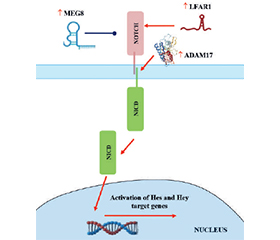
Актуальність. Стеатотична хвороба печінки, асоційована з метаболічною дисфункцією (metabolic dysfunction-associated steatotic liver disease, MASLD), та її прогресуюча запальна стадія — стеатогепатит, пов’язаний із метаболічною дисфункцією (MASH), стали одними з найчастіших причин фіброзу печінки. У контексті MASLD фіброгенез регулюється дуже складною взаємодією внутрішньоклітинних сигнальних шляхів, які епігенетично модулюються довгими некодуючими РНК. Мета: систематизовано оцінити епігенетичний антифібротичний вплив експресії довгих некодуючих РНК (GAS5, MEG8, FLRL2) на розвиток та прогресування фіброзу печінки при MASLD/MASH, з акцентом на ключові профібротичні сигнальні шляхи (PI3K/Akt, Wnt/β-катенін, Notch, Arntl/Sirt1) і терапевтичні перспективи. Матеріали та методи. Цей систематизований огляд було проведено й представлено відповідно до заяви PRISMA 2020 (реєстрація PROSPERO CRD420250652980). Виконано комплексний пошук у базах даних PubMed, Cochrane Library, Scopus, Embase та Web of Science (2010–2026) з використанням попередньо визначених логічних рядків. Було включено оригінальні клінічні, тваринні й дослідження in vitro, які продемонстрували знижену експресію цільових антифібротичних довгих некодуючих РНК та їх зв’язок із посиленням фіброзу або активацією зірчастих клітин печінки у встановлених моделях MASLD/MASH або людських когортах. Два незалежні рецензенти виконали відбір досліджень, вилучення даних та оцінку ризику систематичної помилки (SYRCLE для досліджень на тваринах, ROBINS-I для обсерваційних клінічних досліджень, модифікований OHAT для досліджень in vitro). Результати. Зі 106 визначених звітів у 42 розглядали експресію довгих некодуючих РНК (GAS5, MEG8, FLRL2) як потенційних антифібротичних біомаркерів; зрештою 8 досліджень відповідали суворим критеріям включення. Знижена експресія GAS5, MEG8, FLRL2 була послідовно пов’язана з активацією зірчастих клітин печінки, епітеліально-мезенхімальним переходом i активацією основних профібротичних шляхів, що обумовило збільшення експресії α-SMA та COL1A1. Висновки. GAS5, MEG8, FLRL2 відіграють значну епігенетичну роль у розвитку вираженого фіброзу печінки при MASLD/MASH. Зниження їх експресії призводить до дерепресії профібротичної сигналізації в ключових профібротичних сигнальних шляхах (PI3K/Akt, Wnt/β-катенін, Notch, Arntl/Sirt1).
Background. Metabolic dysfunction-associated steatotic liver disease (MASLD) — and its progressive inflammatory stage, metabolic dysfunction-associated steatohepatitis (MASH) — has emerged as one of the most frequent causes of liver fibrosis. In the context of MASLD, fibrogenesis is governed by a highly complex interplay of intracellular signaling pathways that are epigenetically modulated by long non-coding RNAs (lncRNAs). The purpose was to systematically evaluate the epigenetic impact of reduced expression of antifibrotic lncRNAs (GAS5, MEG8, FLRL2) on the development and progression of liver fibrosis in MASLD/MASH, with emphasis on key profibrotic signalling pathways ((PI3K/Akt, Wnt/β-catenin, Notch, Arntl/Sirt1) and therapeutic perspectives. Materials and methods. This systematic review was conducted and reported in accordance with the PRISMA 2020 statement (PROSPERO registration CRD420250652980). A comprehensive search of PubMed, Cochrane Library, Scopus, Embase, and Web of Science (2010–2026) was performed using predefined Boolean strings. Original clinical, animal, and in vitro studies that demonstrated reduced expression of the target antifibrotic lncRNAs and their association with increased fibrosis or hepatic stellate cell activation in established MASLD/MASH models or human cohorts were included. Two independent reviewers performed study selection, data extraction, and risk-of-bias assessment (SYRCLE for animal studies, ROBINS-I for observational clinical studies, modified OHAT for in vitro studies). Results. Of 106 identified reports, 42 addressed lncRNAs (GAS5, MEG8, FLRL2) expression as potential biomarkers; ultimately, 8 studies met strict inclusion criteria. Reduced expression of GAS5, MEG8, FLRL2 was consistently associated with hepatic stellate cell activation, epithelial-mesenchymal transition, and activation of the main profibrotic pathways, leading to increased α-SMA and COL1A1 expression. Conclusions. GAS5, MEG8, FLRL2 play a significant epigenetic role in the development of advanced liver fibrosis in MASLD/MASH. A decrease in their expression leads to derepression of profibrotic signaling in key profibrotic signaling pathways (PI3K/Akt, Wnt/β-catenin, Notch, Arntl/Sirt1).
фіброз печінки; стеатотична хвороба печінки, асоційована з метаболічною дисфункцією; довгі некодуючі РНК; GAS5; MEG8; FLRL2
liver fibrosis; metabolic dysfunction-associated steatotic liver disease; long non-coding RNAs; GAS5; MEG8; FLRL2
Для ознакомления с полным содержанием статьи необходимо оформить подписку на журнал.
- Tsomidis I, Voumvouraki A, Kouroumalis E. Immune Checkpoints and the Immunology of Liver Fibrosis. Livers. 2025;5(1):5. doi: 10.3390/livers5010005.
- Lucaciu RL, Orasan OH, Hangan AC, Iancu M, Cozma A, et al. miRNAs, lncRNAs, circRNAs and piRNAs in Nonalcoholic Fatty Liver Disease: Past, Present and Future. International Journal of Molecular Sciences. 2025;26(21):10402. doi: 10.3390/ijms262110402.
- Younossi ZM, Kalligeros M, Henry L. Epidemiology of metabolic dysfunction-associated steatotic liver disease. Clin Mol Hepatol. 2025 Feb;31(Suppl):32-50. doi: 10.3350/cmh.2024.0431.
- Devarbhavi H, Asrani SK, Arab JP, Nartey YA, Pose E, Kamath PS. Global burden of liver disease: 2023 update. J Hepatol. 2023 Aug;79(2):516-537. doi: 10.1016/j.jhep.2023.03.017.
- Moon AM, Singal AG, Tapper EB. Contemporary Epidemiology of Chronic Liver Disease and Cirrhosis. Clin Gastroenterol Hepatol. 2020 Nov;18(12):2650-2666. doi: 10.1016/j.cgh.2019.07.060.
- Ye F, Zhai M, Long J, Gong Y, Ren C, et al. The burden of liver cirrhosis in mortality: Results from the global burden of disease study. Front Public Health. 2022 Aug 11;10:909455. doi: 10.3389/fpubh.2022.909455.
- Jepsen P, Younossi ZM. The global burden of cirrhosis: A review of disability-adjusted life-years lost and unmet needs. J Hepatol. 2021 Jul;75, Suppl 1:3-13. doi: 10.1016/j.jhep.2020.11.042.
- Smith A, Baumgartner K, Bositis C. Cirrhosis: Diagnosis and Management. Am Fam Physician. 2019 Dec 15;100(12):759-770.
- Yonis N, Mousa A, Yousef MH, Ghouneimy AM, Dabbish AM, et al. Cracking the code: lncRNA-miRNA-mRNA integrated network analysis unveiling lncRNAs as promising non-invasive NAFLD biomarkers toward precision diagnosis. Comput Biol Chem. 2025 Apr;115:108325. doi: 10.1016/j.compbiolchem.2024.108325.
- Tao Q, Xie J, Wu Y, Jin Y. Long non-coding RNAs as mo–dulators and therapeutic targets in non-alcoholic fatty liver disease (NAFLD). Gastroenterol Hepatol. 2024 May;47(5):506-516. doi: 10.1016/j.gastrohep.2023.09.014 (in English, Spanish).
- Abaturov O, Nikulina A. Characterization of anti-steatogenic long noncoding RNAs and their epigenetic influence on the development of metabolic fatty liver disease — a systematic review. Eur J Clin Exp Med. 2025;23(3):767-775. doi: 10.15584/ejcem.2025.3.16.
- Midan HM, Wasfey EF, Doghish AS, Kamal MM, Kassem DH. Harnessing exosomal long non-coding RNAs as a new frontier for molecular diagnostics and therapeutics in diabetes mellitus. Cell Commun Signal. 2026 Mar 12;24(1):215. doi: 10.1186/s12964-026-02739-w.
- Abaturov O, Nikulina A. Epigenetic antifibrotic effect of expression of long noncoding RNAs lncR-p21, MEG3, H19 on the deve–lopment of fibrosis in metabolic dysfunction-associated steatotic liver disease (systematic review and meta-analysis). Gastroenterology. 2026; 2(60):65-75. doi: doi: 10.22141/2308-2097.60.2.2026.727.
- Abdelsalam HM, Diab A, El-Dawy K, Khamis T, Salah B, Abdelghany EMA. Hepatic transcriptomic and functional responses to ketogenic diet intervention in MASLD-Induced male albino rats. Sci Rep. 2026 Feb 16;16(1):9272. doi: 10.1038/s41598-025-26659-w.
- Mobasher MA, Alsirhani AM, Alkhodair SA, Abd-Elha–meed A, Baioumy SA, et al. Investigating the Diagnostic Utility of LncRNA GAS5 in NAFLD Patients. Biomedicines. 2025 Aug 1;13(8):1873. doi: 10.3390/biomedicines13081873.
- Bian G, Xue Y, Liu Y, Xu Y, Chen G, Wu H. Role of lncRNA-MEG8/miR-296-3p axis in gestational diabetes mellitus. Nephrology (Carlton). 2022 Dec;27(12):994-1002. doi: 10.1111/nep.14112.
- Chen Y, Chen X, Gao J, Xu C, Xu P, et al. Long noncoding RNA FLRL2 alleviated nonalcoholic fatty liver disease through Arntl-Sirt1 pathway. FASEB J. 2019 Oct;33(10):11411-11419. doi: 10.1096/fj.201900643RRR.
- Jiang J, Gareev I, Ilyasova T, Shumadalova A, Du W, Yang B. The role of lncRNA-mediated ceRNA regulatory networks in liver fibrosis. Noncoding RNA Res. 2024 Jan 9;9(2):463-470. doi: 10.1016/j.ncrna.2024.01.001.
- Yu F, Zheng J, Mao Y, Dong P, Lu Z, et al. Long Non-co–ding RNA Growth Arrest-specific Transcript 5 (GAS5) Inhibits Liver Fibrogenesis through a Mechanism of Competing Endogenous RNA. J Biol Chem. 2015 Nov 20;290(47):28286-28298. doi: 10.1074/jbc.M115.683813.
- Dong Z, Li S, Wang X, Si L, Ma R, et al. lncRNA GAS5 restrains CCl4-induced hepatic fibrosis by targeting miR-23a through the PTEN/PI3K/Akt signaling pathway. Am J Physiol Gastrointest Liver Physiol. 2019 Apr 1;316(4):G539-G550. doi: 10.1152/ajpgi.00249.2018.
- Han MH, Lee JH, Kim G, Lee E, Lee YR, et al. Expression of the Long Noncoding RNA GAS5 Correlates with Liver Fibrosis in Patients with Nonalcoholic Fatty Liver Disease. Genes (Basel). 2020 May 13;11(5):545. doi: 10.3390/genes11050545.
- Fan Y, Zhao X, Ma J, Yang L. LncRNA GAS5 Competitively Combined With miR-21 Regulates PTEN and Influences EMT of Peritoneal Mesothelial Cells via Wnt/β-Catenin Signaling Pathway. Front Physiol. 2021 Aug 30;12:654951. doi: 10.3389/fphys.2021.654951.
- Chen T, Meng Y, Zhou Z, Li H, Wan L, et al. GAS5 protects against nonalcoholic fatty liver disease via miR-28a-5p/MARCH7/NLRP3 axis-mediated pyroptosis. Cell Death Differ. 2023 Jul;30(7):1829-1848. doi: 10.1038/s41418-023-01183-4.
- Chen T, Lin H, Chen X, Li G, Zhao Y, et al. LncRNA Meg8 suppresses activation of hepatic stellate cells and epithelial-mesenchymal transition of hepatocytes via the Notch pathway. Biochem Biophys Res Commun. 2020 Jan 22;521(4):921-927. doi: 10.1016/j.bbrc.2019.11.015.
- Di Mauro S, Salomone F, Scamporrino A, Filippello A, Morisco F, et al. Coffee Restores Expression of lncRNAs Involved in Steatosis and Fibrosis in a Mouse Model of NAFLD. Nutrients. 2021 Aug 25;13(9):2952. doi: 10.3390/nu13092952.
- Peng H, Wan LY, Liang JJ, Zhang YQ, Ai WB, Wu JF. The roles of lncRNA in hepatic fibrosis. Cell Biosci. 2018 Dec 6;8:63. doi: 10.1186/s13578-018-0259-6.
- Zhou Y, Chen B. GAS5‑mediated regulation of cell signaling (Review). Mol Med Rep. 2020 Oct;22(4):3049-3056. doi: 10.3892/mmr.2020.11435.
- Wang C, Ke S, Li M, Lin C, Liu X, Pan Q. Downregulation of LncRNA GAS5 promotes liver cancer proliferation and drug resistance by decreasing PTEN expression. Mol Genet Genomics. 2020 Jan;295(1):251-260. doi: 10.1007/s00438-019-01620-5.
- Yu F, Dong P, Mao Y, Zhao B, Huang Z, Zheng J. Loss of lncRNA-SNHG7 Promotes the Suppression of Hepatic Stellate Cell Activation via miR-378a-3p and DVL2. Mol Ther Nucleic Acids. 2019 Sep 6;17:235-244. doi: 10.1016/j.omtn.2019.05.026.
- Azar F, Courtet K, Dekky B, Bonnier D, Dameron O, et al. Integration of miRNA-regulatory networks in hepatic stellate cells identifies TIMP3 as a key factor in chronic liver disease. Liver Int. 2020 Aug;40(8):2021-2033. doi: 10.1111/liv.14476.
- Wang R, Gao Y. Long non-coding RNA growth arrest-specific 5 inhibits liver fibrogenesis in biliary atresia by interacting with micro–RNA-222 and repressing IGF1/AKT signaling. Transl Pediatr. 2023 Dec 26;12(12):2107-2120. doi: 10.21037/tp-23-424.
- Russell JO, Monga SP. Wnt/β-Catenin Signaling in Liver Development, Homeostasis, and Pathobiology. Annu Rev Pathol. 2018 Jan 24;13:351-378. doi: 10.1146/annurev-pathol-020117-044010.
- Patel S, Alam A, Pant R, Chattopadhyay S. Wnt Signaling and Its Significance Within the Tumor Microenvironment: Novel Therapeutic Insights. Front Immunol. 2019 Dec 16;10:2872. doi: 10.3389/fimmu.2019.02872.
- Rim EY, Clevers H, Nusse R. The Wnt Pathway: From Signaling Mechanisms to Synthetic Modulators. Annu Rev Biochem. 2022 Jun 21;91:571-598. doi: 10.1146/annurev-biochem-040320-103615.
- Ghafouri-Fard S, Khoshbakht T, Hussen BM, Taheri M, Shojaei S. A review on the role of MEG8 lncRNA in human disorders. Cancer Cell Int. 2022 Sep 16;22(1):285. doi: 10.1186/s12935-022-02705-9.
- Shen W, Huang J, Wang Y. Biological Significance of NOTCH Signaling Strength. Front Cell Dev Biol. 2021 Mar 26;9:652273. doi: 10.3389/fcell.2021.652273.
- Xu H, Wang L. The Role of Notch Signaling Pathway in Non-Alcoholic Fatty Liver Disease. Front Mol Biosci. 2021 Nov 24;8:792667. doi: 10.3389/fmolb.2021.792667.
- Zhou B, Lin W, Long Y, Yang Y, Zhang H, et al. Notch signa–ling pathway: architecture, disease, and therapeutics. Signal Transduct Target Ther. 2022 Mar 24;7(1):95. doi: 10.1038/s41392-022-00934-y.
- Sun L, Yue Z, Wang L. Research on the function of epigenetic regulation in the inflammation of non-alcoholic fatty liver disease. Life Med. 2024 Aug 31;3(4):lnae030. doi: 10.1093/lifemedi/lnae030.
- Jouffe C, Weger BD, Martin E, Atger F, Weger M, et al. Disruption of the circadian clock component BMAL1 elicits an endocrine adaption impacting on insulin sensitivity and liver disease. Proc Natl Acad Sci USA. 2022 Mar 8;119(10):e2200083119. doi: 10.1073/pnas.2200083119.
- Guo Y, Wang J, Zhang D, Tang Y, Cheng Q, et al. Diabetes-associated sleep fragmentation impairs liver and heart function via SIRT1-dependent epigenetic modulation of NADPH oxidase 4. Acta Pharm Sin B. 2025 Mar;15(3):1480-1496. doi: 10.1016/j.apsb.2024.12.031.