
Журнал «Здоровье ребенка» Том 21, №6, 2026
Вернуться к номеру
Ранні ознаки ураження нирок у дітей із ювенільним ідіопатичним артритом: наративний огляд літератури
Авторы: M.Sh. Madaminova, I.A. Karimdzhanov, K.Kh. Turakulova, M.B. Rahmonberdieva
Tashkent State Medical University, Tashkent, Republic of Uzbekistan
Рубрики: Педиатрия/Неонатология
Разделы: Справочник специалиста
Версия для печати
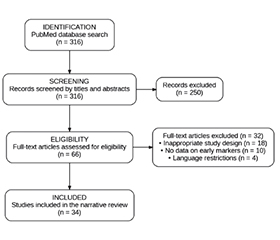
Актуальність. Ювенільний ідіопатичний артрит (ЮІА) — це гетерогенна група хронічних запальних артритів дитячого віку, у патогенезі яких ключову роль відіграють імуноопосередковані й імунозапальні механізми. Окрім ураження опорно-рухового апарату, персистуюче системне запалення, ендотеліальна дисфункція та вплив потенційно нефротоксичних лікарських засобів можуть призводити до розвитку субклінічних змін з боку нирок. Історично ниркові ускладнення при ЮІА діагностували переважно на пізніх стадіях; до них належали вторинний AA-амілоїдоз та клінічно виражена медикаментозна нефротоксичність. Сучасні клінічні дослідження свідчать про те, що незначні зміни показників сечі, функціональні й судинні порушення можна виявити на ранніх етапах захворювання — ще до розвитку клінічно вираженої ниркової дисфункції. Мета: узагальнити наявні дані щодо ранніх клінічних, лабораторних, гемодинамічних і молекулярних маркерів ураження нирок у дітей із ЮІА, охарактеризувати їх потенційну роль у ранній діагностиці й моніторингу лікування, а також сформулювати ризик-орієнтований підхід до нефрологічного спостереження. Матеріали та методи. Проведено структурований наративний огляд літератури з використанням публікацій із бази даних PubMed. Відбирали англомовні статті, опубліковані у 2021–2026 рр. До аналізу включено оригінальні клінічні дослідження, ретроспективні й проспективні когортні дослідження, а також метааналізи, у яких наведено кількісні або якісні дані про стан нирок у дітей із підтвердженим ЮІА, зокрема щодо протеїнурії або альбумінурії, гематурії, розрахункової швидкості клубочкової фільтрації (рШКФ) за рівнем цистатину С, біомаркерів ушкодження канальців та добового моніторування артеріального тиску (ДМАТ). Роботи, опубліковані до 2021 року, дублікати та публікації, що не стосувалися стану нирок при ЮІА, було виключено. Віковий діапазон пацієнтів становив 1,5–18 років. Результати. Проаналізовані дані узгоджуються з патофізіологічним спектром ураження нирок при ЮІА: від активації ендотелію і незначних змін показників сечі до порушень клубочкової фільтрації та судинної регуляції. У дітей із вперше діагностованим ЮІА, які раніше не отримували лікування, спостерігалися вищі показники добової екскреції білка із сечею та більша кількість еритроцитів у сечі порівняно зі здоровими дітьми контрольної групи. При визначенні рШКФ на основі цистатину С виявлено знижені показники фільтрації у частини дітей з активним ЮІА, тоді як ДМАТ продемонструвала аномальні циркадні профілі артеріального тиску, зокрема його недостатнє нічне зниження (non-dipping). Висновки. Субклінічне ураження нирок при ЮІА може залишатися недооціненим і передувати розвитку явної нефропатії. Інтеграція кількісної оцінки білка або альбуміну сечі, рШКФ за рівнем цистатину С та ДМАТ у клінічне спостереження на основі ризику може сприяти більш ранньому виявленню ниркових порушень та своєчасному коригуванню терапії.
Background. Juvenile idiopathic arthritis (JIA) comprises a heterogeneous group of chronic inflammatory arthritides of childhood in which immune-mediated and immune-inflammatory mechanisms play a central pathogenic role. In addition to musculoskeletal involvement, persistent systemic inflammation, endothelial dysfunction, and exposure to potentially nephrotoxic medications may contribute to subclinical renal involvement. Historically, kidney complications in JIA were recognized mainly at advanced stages, including secondary AA amyloidosis and clinically overt drug-related nephrotoxicity. More recent clinical studies indicate that subtle urinary, functional, and vascular abnormalities may be detectable early in the disease course, before the development of clinically apparent renal dysfunction. The purpose was to synthesize current evidence on early clinical, laboratory, hemodynamic, and molecular markers of renal involvement in children with JIA, to characterize their potential role in early detection and treatment monitoring, and to formulate a risk-oriented approach to nephrological surveillance. Materials and methods. A structured narrative literature review was conducted using publications retrieved from PubMed. English-language articles published from 2021 through 2026 were screened. Eligible publications included original clinical studies, retrospective and prospective cohort studies, and meta-analyses reporting quantitative or qualitative data on renal status in children with confirmed JIA, including proteinuria or albuminuria, hematuria, cystatin C-based estimated glomerular filtration rate (eGFR), tubular injury biomarkers, and ambulatory blood pressure monitoring (ABPM). Studies published before 2021, duplicate records, and publications unrelated to renal outcomes in JIA were excluded. The pediatric age range was 1.5–18 years. Results. The reviewed evidence was consistent with a pathophysiological spectrum of renal involvement in JIA, ranging from endothelial activation and low-grade urinary abnormalities to changes in glomerular filtration and vascular regulation. Treatment-naive children with newly diagnosed JIA showed higher 24-hour urinary protein excretion and urinary red blood cell counts than healthy controls. Cystatin C-based eGFR identified reduced filtration estimates in a proportion of children with active JIA, while ABPM demonstrated abnormal circadian blood pressure profiles, including a non-dipping pattern. Conclusions. Subclinical renal involvement in JIA may be underrecognized and can precede overt nephropathy. Integration of quantitative urinary protein or albumin assessment, cystatin C-based eGFR, and ABPM into risk-based clinical surveillance may facilitate earlier recognition of renal abnormalities and more timely adjustment of therapy.
ювенільний ідіопатичний артрит; ураження нирок; протеїнурія; гематурія; цистатин С; розрахункова швидкість клубочкової фільтрації; добовий моніторинг артеріального тиску; ендотеліальна дисфункція
juvenile idiopathic arthritis; renal involvement; proteinuria; hematuria; cystatin C; estimated glomerular filtration rate; ambulatory blood pressure monitoring; endothelial dysfunction
Для ознакомления с полным содержанием статьи необходимо оформить подписку на журнал.
- Samsonenko S, Borysova T. Serum cystatin C as a marker of renal dysfunction in children with juvenile idiopathic arthritis. Ukr J Perinatol Pediatr. 2022;89:26-30. doi: 10.15574/PP.2022.89.26.
- Hu YC, Huang YL, Yiao SY, Lin MT, Lin FJ, Yang YH. The epidemiology and biologics treatment patterns of juvenile idiopathic arthritis in Taiwan — an 8-year follow-up. Front Immunol. 2025 Dec 16;16:1712103. doi: 10.3389/fimmu.2025.1712103.
- Karimdzhanov IA, Rakhmanova LK, Karimova UN, Yakhyayeva KZ, Аkhmеdоvа NA, Rаkhmаnоv AA. Immunopathological prediction of complications of nephropathy in children due to allergy. Child’s Health. 2025;20(5):353-356. doi: 10.22141/2224-0551.20.5.2025.1870.
- Patra PK, Banday AZ, Asghar A, et al. Vascular dysfunction in juvenile idiopathic arthritis: a systematic review and meta-analysis. Rheumatol Int. 2023 Jan;43(1):33-45. doi: 10.1007/s00296-022-05255-5.
- Del Giudice E, Marcellino A, Hoxha S, et al. Proteinuria and hematuria as early signs of renal involvement in juvenile idiopathic arthritis. Front Pediatr. 2024 Jun 4;12:1395961. doi: 10.3389/fped.2024.1395961.
- Cody E, Brunner HI. Renal disease in pediatric rheumato–logy. Curr Opin Rheumatol. 2024 Sep 1;36(5):322-327. doi: 10.1097/bor.0000000000001027.
- Sandborg CI, Schulert GS, Kimura Y. Juvenile Idiopathic Arthritis. N Engl J Med. 2025 Jul 10;393(2):162-174. doi: 10.1056/NEJMra2402073.
- Karimdzhanov IA, Madaminova MSh. Role of interleukin-17 in juvenile idiopathic arthritis. Child’s Health. 2024;19(3):22-27. doi: 10.22141/2224-0551.19.3.2024.1691.
- Iwaszko M, Biały S, Bogunia-Kubik K. Significance of Interleukin (IL)-4 and IL-13 in Inflammatory Arthritis. Cells. 2021 Nov 3;10(11):3000. doi: 10.3390/cells10113000.
- Hasan MS, Hamza Khedhir N. Evaluation of IL-6, IL-10, and TNF-α as predictive inflammatory biomarkers in type 2 diabetes and early nephropathy: IL-6, IL-10, and TNF-α in diabetic nephropathy. Journal of Medical and Oral Biosciences. 2026;3(2):15-25. doi: 10.58564/jmob.157.
- Cafarotti A, Marcovecchio ML, Lapergola G, et al. Kidney function and renal resistive index in children with juvenile idiopathic arthritis. Clin Exp Med. 2023 Jul;23(3):759-766. doi: 10.1007/s10238-022-00898-x.
- Theodorakopoulou MP, Sgouropoulou V, Iatridi F, et al. Vascular endothelial dysfunction in pediatric rheumatic diseases: a systematic review and meta-analysis. Expert Rev Clin Immunol. 2025 Jun;21(6):775-785. doi: 10.1080/1744666X.2025.2510490.
- Schwartz GJ, Furth SL. Glomerular filtration rate measurement and estimation in chronic kidney disease. Pediatr Nephrol. 2007 Nov;22(11):1839-1848. doi: 10.1007/s00467-006-0358-1.
- Onel KB, Horton DB, Lovell DJ, et al. 2021 American College of Rheumatology Guideline for the Treatment of Juvenile Idiopathic Arthritis: Therapeutic Approaches for Oligoarthritis, Temporomandibular Joint Arthritis, and Systemic Juvenile Idiopathic Arthritis. Arthritis Care Res (Hoboken). 2022 Apr;74(4):521-537. doi: 10.1002/acr.24853.
- Wang S, Spielman A, Ginsberg M, et al. Short- and Long-Term Progression of Kidney Involvement in Systemic Lupus Erythematosus Patients with Low-Grade Proteinuria. Clin J Am Soc Nephrol. 2022 Aug;17(8):1150-1158. doi: 10.2215/CJN.01280122.
- Okabe M, Okabayashi Y, Sasaki T, et al. Podocyte Injury and Long-Term Kidney Prognosis in Patients with Lupus Nephritis. Kidney360. 2025 Apr 1;6(4):60625(1):-615. doi: 10.34067/KID.0000000688.
- Liu P, Wang X, Jin Y, et al. Renal involvement in different subtypes of children with juvenile idiopathic arthritis: results from a single-center cohort. Clin Rheumatol. 2026 Feb;45(2):1353-1365. doi: 10.1007/s10067-025-07798-x.
- Yin QL, Liu YQ, Zhang HM, Gao YD, Wang Y, Zhang WH. Progress of biological agents and CAR cell therapy in the treatment of common autoimmune diseases in children. Front Pediatr. 2026 Feb 26;14:1742663. doi: 10.3389/fped.2026.1742663.
- Sagcal-Gironella A, Randell R, Brunner H, et al. Therapeutic Drug Monitoring in Pediatric Rheumatology: A Survey of Providers in North America. Arthritis Rheumatol. 2026;78(Suppl 3):081.
- Kim S. Renal involvements in pediatric rheumatologic diseases. Child Kidney Dis. 2022 Jun 22;26(1):18-24. doi: 10.3339/ckd.22.028.
- Yadav BB, Pratap D, Boora N, Bansal SK. Cystatin C as a sensitive biomarker for early detection of chronic kidney disease: a case-control study. IOSR Journal of Dental and Medical Sciences. 2026 Jan;25(1):1-7. doi: 10.9790/0853-2501020107.
- Shetty D, Sanilal M, Dayanandan G, et al. Dysautonomia in systemic autoimmune rheumatic diseases: mechanisms, clinical manifestations, and therapeutic approaches — a narrative review. Mediterr J Rheumatol. 2026 Sep 7:1-11.
- Shah SSH, Aalia B. Systemic Juvenile idiopathic arthritis in child complicated by amyloidosis with secondary nephrotic syndrome. Journal of Gandhara Medical and Dental Science. 2024;11(2):63-65. doi: 10.37762/jgmds.11-2.564.
- Romankevych IV. State of blood pressure in children with juvenile rheumatoid arthritis. Child’s Health. 2014;47:50-55. doi: 10.22141/2224-0551.4.47.2013.89797.
- Fenton KA, Pedersen HL. Advanced methods and novel biomarkers in autoimmune diseases — a review of the recent years progress in systemic lupus erythematosus. Front Med (Lausanne). 2023 Jun 23;10:1183535. doi: 10.3389/fmed.2023.1183535.
- Yang H, Chen Y, He J, Li Y, Feng Y. Advances in the diagnosis of early biomarkers for acute kidney injury: a literature review. BMC Nephrol. 2025 Mar 5;26(1):115. doi: 10.1186/s12882-025-04040-3.
- Zou Z, Chen B, Tang F, Li X, Xiao D. Predictive value of neutrophil gelatinase-associated lipocalin in children with acute kidney injury: A systematic review and meta-analysis. Front Pediatr. 2023 Mar 27;11:1147033. doi: 10.3389/fped.2023.1147033.
- Romejko K, Markowska M, Niemczyk S. The Review of Current Knowledge on Neutrophil Gelatinase-Associated Lipocalin (NGAL). Int J Mol Sci. 2023 Jun 21;24(13):10470. doi: 10.3390/ijms241310470.
- Yousef Almulhim M. The efficacy of novel biomarkers for the early detection and management of acute kidney injury: A systematic review. PLoS One. 2025 Jan 29;20(1):e0311755. doi: 10.1371/journal.pone.0311755.
- Brilland B, Boud’hors C, Wacrenier S, et al. Kidney injury mo–lecule 1 (KIM-1): a potential biomarker of acute kidney injury and tubulointerstitial injury in patients with ANCA-glomerulonephritis. Clin Kidney J. 2023 Apr 3;16(9):1521-1533. doi: 10.1093/ckj/sfad071.
- Reiss AB, Jacob B, Zubair A, Srivastava A, Johnson M, De Leon J. Fibrosis in Chronic Kidney Disease: Pathophysiology and The–rapeutic Targets. J Clin Med. 2024 Mar 25;13(7):1881. doi: 10.3390/jcm13071881.
- Kadatane SP, Satariano M, Massey M, Mongan K, Raina R. The Role of Inflammation in CKD. Cells. 2023 Jun 7;12(12):1581. doi: 10.3390/cells12121581.
- Cheng Y, Hu H, Li W, et al. Chronic Kidney Disease and Thyroid Hormones. J Clin Endocrinol Metab. 2025 Jul 15;110(8):e2446-e2455. doi: 10.1210/clinem/dgae841.
- Lousa I, Belo L, Valente MJ, et al. Inflammatory biomarkers in staging of chronic kidney disease: elevated TNFR2 levels accompanies renal function decline. Inflamm Res. 2022 Jun;71(5-6):591-602. doi: 10.1007/s00011-022-01574-2.