
Международный эндокринологический журнал Том 22, №7, 2026
Вернуться к номеру
Експресія кислотно-чутливого іонного каналу 1 в пухлинах папілярної карциноми щитоподібної залози та метастатичних ураженнях
Авторы: M.V. Ostafiichuk, B.B. Guda, V.M. Pushkarev, N.I. Levchuk, P.P. Zinych, O.I. Kovzun, M.D. Tronko
V.P. Komisarenko Institute of Endocrinology and Metabolism of NAMSU, Kyiv, Ukraine
Рубрики: Эндокринология
Разделы: Клинические исследования
Версия для печати
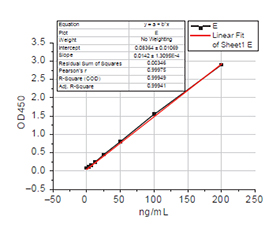
Актуальність. Кислотно-чутливий іонний канал 1 (ASIC1) є протон-активованим катіонним каналом, який кодується геном ASIC1, одним із п’яти паралогічних генів, що формують тривимірні кислотно-чутливі канали ссавців. Кисле позаклітинне мікросередовище є ознакою солідних пухлин. ASIC1 активується позаклітинним закисленням і функціонує як ключовий сенсор ацидозу пухлини. Накопичені на сьогодні дані свідчать про участь ASIC1 у регуляції численних аспектів пухлинної біології, зокрема проліферації, міграції, інвазії та метастатичного поширення злоякісних клітин. Аберантна експресія ASIC1 була зареєстрована при низці злоякісних новоутворень: гепатоцелюлярній карциномі, раку молочної залози, шлунка й головного мозку, що свідчить про потенційну роль цього іонного каналу як нового біомаркера й терапевтичної мішені. Мета: дослідити експресію ASIC1 в умовно нормальній тканині щитоподібної залози, первинній папілярній карциномі щитоподібної залози (ПКЩЗ) і метастатичних ураженнях, а також оцінити її зв’язок із метастатичним прогресуванням. Матеріали та методи. Післяопераційні зразки тканини були отримані в хірургічному відділенні клініки. Кількість ASIC1 визначали за допомогою наборів для імуноферментного аналізу. Результати. Експресія ASIC1 була значно вищою в тканині первинної ПКЩЗ без метастазів порівняно з прилеглою умовно нормальною тканиною. Крім того, пухлини з метастатичним ураженням лімфатичних вузлів характеризувалися більшою експресією ASIC1, ніж неметастатичні ПКЩЗ. Найвищі показники виявлено в рецидивуючих метастатичних ураженнях, що вказує на прогресивне зростання експресії під час дисемінації та рецидивування пухлини. Висновки. Підвищена експресія ASIC1 пов’язана з прогресуванням ПКЩЗ і метастатичним потенціалом. Отримані результати свідчать про те, що ASIC1 може бути перспективним діагностичним біомаркером за ПКЩЗ та потенційним предиктором поширення метастазів, зокрема рецидивного метастазування. Необхідні подальші дослідження для уточнення механістичної ролі ASIC1 у прогресуванні раку щитоподібної залози та оцінки його цінності як терапевтичної мішені.
Background. Acid-sensing ion channel 1 (ASIC1) is a proton-gated cation channel encoded by the ASIC1 gene, one of five paralogous genes that form trimeric acid-sensing ion channels in mammals. An acidic extracellular microenvironment is a hallmark of solid tumors. ASIC1 is activated by extracellular acidification and functions as a key sensor of tumor acidosis. Increasing evidence indicates that ASIC1 contributes to multiple aspects of tumor biology, including cancer cell proliferation, migration, invasion, and metastatic dissemination. Aberrant ASIC1 expression has been reported in several malignancies, including hepatocellular, breast, gastric, brain and other cancers, suggesting that this ion channel may represent a novel biomarker and therapeutic target. The purpose was to investigate ASIC1 expression in conditionally normal thyroid tissue, primary papillary thyroid carcinoma (PTC), and metastatic lesions, and to evaluate its association with metastatic progression. Materials and methods. Postoperative samples of tissue were obtained from the surgical department of the clinic. The amount of ASIC1 was determined using enzyme immunoassay kits. Results. ASIC1 expression was significantly higher in primary PTC tissue without metastases than in adjacent conditionally normal tissue. Furthermore, tumors with lymph node metastases exhibited significantly greater ASIC1 expression than non-metastatic PTCs. The highest ASIC1 expression levels were detected in recurrent metastatic lesions, indicating a progressive increase in expression during tumor dissemination and recurrence. Conclusions. Elevated ASIC1 expression is associated with papillary thyroid carcinoma progression and metastatic potential. These findings suggest that ASIC1 may serve as a promising diagnostic biomarker for PTC and a potential predictor of metastatic spread, particularly recurrent metastasis. Further studies are warranted to clarify the mechanistic role of ASIC1 in thyroid cancer progression and to assess its value as a therapeutic target.
папілярна карцинома щитоподібної залози; кислотно-чутливий іонний канал 1; первинні метастази; рецидивні метастази; біомаркер
papillary thyroid carcinoma; acid-sensing ion channel 1; primary metastases; recurrent metastases; biomarker
Для ознакомления с полным содержанием статьи необходимо оформить подписку на журнал.
- Tronko ND, Pushkarev VM. 30 years of the Chernobyl accident. Molecular genetic mechanisms of carcinogenesis of thyroid gland. Cytol Genet. 2016 Nov-Dec;50(6):15-22.
- Haugen BR, Alexander EK, Bible KC, Doherty GM, Mandel SJ, Nikiforov YE, et al. 2015 American Thyroid Association Management Guidelines for Adult Patients with Thyroid Nodules and Differentiated Thyroid Cancer: The American Thyroid Association Guidelines Task Force on Thyroid Nodules and Differentiated Thyroid Cancer. Thyroid. 2016 Jan;26(1):1-133. doi: 10.1089/thy.2015.0020.
- Niciporuka R, Nazarovs J, Ozolins A, Narbuts Z, Miklasevics E, Gardovskis J. Can we predict differentiated thyroid cancer behavior? Role of genetic and molecular markers. Medicina (Kaunas). 2021 Oct 19;57(10):1131. doi: 10.3390/medicina57101131.
- Hanukoglu I. ASIC and ENaC type sodium channels: conformational states and the structures of the ion selectivity filters. FEBS J. 2017 Feb;284(4):525-545. doi: 10.1111/febs.13840.
- Wang Y, Zhou H, Sun Y, Huang Y. Acid-sensing ion channel 1: potential therapeutic target for tumor. Biomed Pharmacother. 2022 Nov;155:113835. doi: 10.1016/j.biopha.2022.113835.
- Zhang L, Zheng L, Yang X, et al. Pathology and physiology of acid-sensitive ion channels in the digestive system (Review). Int J Mol Med. 2022 Jul;50(1):94. doi: 10.3892/ijmm.2022.5150.
- Gründer S, Vanek J, Pissas KP. Acid-sensing ion channels and downstream signalling in cancer cells: is there a mechanistic link? Pflugers Arch. 2024 Apr;476(4):659-672. doi: 10.1007/s00424-023-02902-z.
- Bradford MM. A rapid and sensitive method for the quantitation of microgram quantities of protein utilizing the principle of protein-dye binding. Anal Biochem. 1976;72(1):248-54. doi: 10.1016/0003-2697(76)90527-3.
- Zhu S, Zhou HY, Deng SC, et al. ASIC1 and ASIC3 contri–bute to acidity-induced EMT of pancreatic cancer through activating Ca2+/RhoA pathway. Cell Death Dis. 2017 May 18;8(5):e2806. doi: 10.1038/cddis.2017.189.
- Shah S, Chu Y, Cegielski V, Chu XP. Acid-Sensing Ion Channel 1 Contributes to Weak Acid-Induced Migration of Human Malignant Glioma Cells. Front Physiol. 2021 Sep 7;12:734418. doi: 10.3389/fphys.2021.734418.
- Yang C, Zhu Z, Ouyang X, et al. Overexpression of acid-sen–sing ion channel 1a (ASIC1a) promotes breast cancer cell proliferation, migration and invasion. Transl Cancer Res. 2020 Dec;9(12):7519-7530. doi: 10.21037/tcr-20-2115.
- Wu X, Wang B, Hou Y, et al. PFKM-Mediated Glycolysis: A Pathway for ASIC1 to Enhance Cell Survival in the Acidic Micro–environment of Liver Cancer. Biomolecules. 2025 Mar 1;15(3):356. doi: 10.3390/biom15030356.
- Ackermann K, Wallner S, Brochhausen C, Schreml S. Expression Profiles of ASIC1/2 and TRPV1/4 in Common Skin Tumors. Int J Mol Sci. 2021 Jun 2;22(11):6024. doi: 10.3390/ijms22116024.
- Tian Y, Bresenitz P, Reska A, El Moussaoui L, Beier CP, Gründer S. Glioblastoma cancer stem cell lines express functional acid sensing ion channels ASIC1a and ASIC3. Sci Rep. 2017 Oct 20;7(1):13674. doi: 10.1038/s41598-017-13666-9.
- Gupta SC, Singh R, Asters M, et al. Regulation of breast tumo–rigenesis through acid sensors. Oncogene. 2016 Aug 4;35(31):4102-11. doi: 10.1038/onc.2015.477.
- Zhou ZH, Song JW, Li W, et al. The acid-sensing ion channel, ASIC2, promotes invasion and metastasis of colorectal cancer under acidosis by activating the calcineurin/NFAT1 axis. J Exp Clin Cancer Res. 2017 Sep 19;36(1):130. doi: 10.1186/s13046-017-0599-9.
- Wu Y, Gao B, Xiong QJ, Wang YC, Huang DK, Wu WN. Acid-sensing ion channels contribute to the effect of extracellular acidosis on proliferation and migration of A549 cells. Tumour Biol. 2017 Jun;39(6):1010428317705750. doi: 10.1177/1010428317705750.
- Zhang Y, Cao N, Gao J, et al. ASIC1a stimulates the resistance of human hepatocellular carcinoma by promoting EMT via the AKT/GSK3β/Snail pathway driven by TGFβ/Smad signals. J Cell Mol Med. 2022 May;26(10):2777-2792. doi: 10.1111/jcmm.17288.
- Chen X, Sun X, Wang Z, et al. Involvement of acid-sensing ion channel 1a in gastric carcinoma cell migration and invasion. Acta Biochim Biophys Sin (Shanghai). 2018 May 1;50(5):440-446. doi: 10.1093/abbs/gmy026.
- Sheng Y, Wu B, Leng T, Zhu L, Xiong Z. Acid-sensing ion channel 1 (ASIC1) mediates weak acid-induced migration of human malignant glioma cells. Am J Cancer Res. 2021 Mar 1;11(3):997-1008.