Резюме
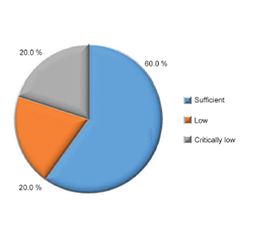
Актуальність. Військовий хірург працює в екстремальних умовах, де обмежені ресурси, постійний брак часу i загроза для життя є частиною щоденної реальності. Така ситуація вимагає не лише бездоганної професійної підготовки, а й високого рівня психологічної стійкості, здатності швидко адаптуватися й ефективно діяти під тиском. Мета: провести ретроспективний аналіз наукових джерел щодо психологічної стійкості та менталізації військових хірургів як чинників, що сприяють зниженню рівня емоційного вигорання в умовах бойового стресу, й обґрунтувати ефективність мультидисциплінарного підходу до збереження психічного здоров’я медичного персоналу. Матеріали та методи. Дослідження базувалося на вивченні вітчизняних та зарубіжних наукових праць із баз даних PubMed і Google Scholar за період 2008–2025 рр. з використанням бібліосемантичного, аналітичного, систематичного, статистичного підходів. Пошук літератури здійснювали за наступними ключовими словами: military surgeons, adaptation to combat, extreme conditions, emotional burnout, psychological resilience. Проведено обстеження 18 військових хірургів (Role 1) для встановлення синдрому професійного вигорання за валідизованою діагностичною методикою О. Чабана та опитувальником «Адаптивність-200». Обробку даних виконано в програмах Excel та Statistica, статистичну вірогідність результатів оцінено за допомогою непараметричного рангового критерію Спірмена. Результати. Кореляційний аналіз із використанням рангового коефіцієнта Спірмена виявив статистично значущу лінійну залежність між бальною оцінкою за опитувальником і віком респондентів, а також їхнім трудовим стажем, що вказує на вплив цих чинників на формування синдрому емоційного вигорання. Результати дослідження психологічної стійкості та адаптаційного потенціалу засвідчили наявність наступних характеристик: у 20,0 % респондентів виявлено ознаки нервово-психічної нестійкості; у 40,0 % — зниження комунікативного потенціалу; у 20,0 % — зменшення рівня морально-етичної нормативності; у 20,0 % — низький рівень військово-професійної спрямованості; у 20,0 % — виражені девіантні поведінкові риси; у 20,0 % — маркери підвищеного ризику суїцидальної поведінки. Отримані дані говорять про необхідність системної психологічної підтримки персоналу та впровадження цілеспрямованих корекційно-реабілітаційних програм у межах військово-медичного середовища. Висновки. Збереження кадрового потенціалу військової медицини, зокрема хірургів, є стратегічним завданням системи оборони України. Ефективність медичного забезпечення в зоні бойових дій значною мірою визначається професійною підготовкою та психологічною стійкістю персоналу, який працює в умовах високого ризику й обмежених ресурсів.
Background. Military surgeons work in extreme conditions where limited resources, constant time constraints, and life-threatening situations are part of everyday reality. This situation requires not only impeccable professional training, but also a high level of psychological resilience, the ability to adapt quickly, and to act effectively under pressure. The purpose of the study is to conduct a retrospective analysis of scientific sources on psychological resilience and mentalization ability in military surgeons as factors contributing to reducing the level of emotional burnout in combat stress conditions and to prove the effectiveness of a multidisciplinary approach to maintaining the mental health of medical personnel. Materials and methods. The study was based on an analysis of domestic and foreign scientific works using the PubMed and Google Scholar databases for 2008–2025, as well as a bibliometric, analytical, systematic, and statistical approach. The literature search was conducted using the keywords: “military surgeons”, “adaptation to combat, extreme conditions”, “emotional burnout”, and “psychological resilience”. A survey of 18 military surgeons (Role 1) was conducted to establish professional burnout syndrome using the validated diagnostic method of O. Chaban and the questionnaire “Adaptability-200”. Data processing was performed using Excel and Statistica software, and statistical reliability of the results was verified using Spearman’s nonparametric rank correlation coefficient. Results. Correlation analysis using Spearman’s rank correlation coefficient revealed a statistically significant linear relationship between the questionnaire score and the age of respondents, as well as their work experience, indicating the influence of these factors on the formation of emotional burnout syndrome. The results of the study of psychological stability and adaptive potential showed the presence of the following characteristics in the study sample: 20.0 % of respondents demonstrated signs of nervous and mental instability; 40.0 % had reduced communication potential; 20.0 % exhibited reduced level of moral and ethical normativity; 20.0 % reported a low level of military and professional focus; 20.0 % had pronounced deviant behavioral traits; 20.0 % showed markers of increased risk of suicidal behavior. The data obtained indicate the need for systematic psychological support for personnel and the implementation of targeted correctional and rehabilitation programs within the military medical environment. Conclusions. Preserving the human resources of military medicine, particularly surgeons, is a strategic task for Ukraine’s defense system. The effectiveness of medical care in combat zones is largely determined by the professional training and psychological resilience of personnel working in high-risk conditions with limited resources.
Список литературы
1. Wang L, Cai Y, Zhao J, et al. Psychological stress and physiological outcomes: investigating the impact of attention biases and emotional regulation in Chinese military service members. BMC Public Health. 2025 Oct;25(1):3589. doi: 10.1186/s12889-025-23924-5.
2. Doody CB, Robertson L, Cox KM, Bogue J, Egan J, Sarma KM. Pre-deployment programmes for building resi–lience in military and frontline emergency service personnel. Cochrane Database Syst Rev. 2021 Dec 6;12(12):CD013242. doi: 10.1002/14651858.CD013242.pub2.
3. Legesse AY, Hadush Z, Teka H, et al. Lived experience of healthcare providers amidst war and siege: a phenomenological study of Ayder Comprehensive Specialized Hospital of Tigray, Northern Ethiopia. BMC Health Serv Res. 2024 Mar 6;24(1):292. doi: 10.1186/s12913-024-10655-3.
4. McClung JP, Beckner ME, Farina EK. Assessing the phy–siological basis for resilience in military personnel. Stress Health. 2023 Sep;39(S1):33-39. doi: 10.1002/smi.3271.
5. Daffey-Moore E. Why is building psychological resilience relevant to UK Service personnel in order to improve military mental health? BMJ Mil Health. 2020 Apr;166(2):89-94. doi: 10.1136/jramc-2018-000962.
6. Chaban O, Khaustova O, Omelyanovich V. Questionnaire for identifying professional burnout syndrome: development and validation of a new diagnostic method. Psychosomatic Medicine and General Practice. 2025;10(1):1-25. doi: 10.26766/pmgp.v10i1.598.
7. Kokun OM, Moroz VM, Lozinska NS, Pishko IO. Collection of psychodiagnostic methods for professional and psycholo–gical selection of candidates for military service under contract in the Armed Forces of Ukraine: a methodical guide. Kyiv: Osvita Ukrainy; 2021. 74 p. (in Ukrainian).
8. Ryu MY, Martin MJ, Jin AH, Tabor HK, Wren SM. Cha–racterizing Moral Injury and Distress in US Military Surgeons Deployed to Far-Forward Combat Environments in Afghanistan and Iraq. JAMA Netw Open. 2023 Feb 1;6(2):e230484. doi: 10.1001/jamanetworkopen.2023.0484.
9. Modlin DM, Aranda MC, Caddell EC, Faler BJ. An Analysis of Burnout among Military General Surgery Residents. J Surg Educ. 2020 Sep-Oct;77(5):1046-1055. doi: 10.1016/j.jsurg.2020.03.002.
10. Tam A, Bateman S, Buckingham G, et al. The effects of stress on surgical performance: a systematic review. Surg Endosc. 2025 Jan;39(1):77-98. doi: 10.1007/s00464-024-11389-3.
11. Jones M, Fear NT, Greenberg N, et al. Do medical services personnel who deployed to the Iraq war have worse mental health than other deployed personnel? Eur J Public Health. 2008 Aug;18(4):422-427. doi: 10.1093/eurpub/ckn031.
12. Cawkill P, Jones M, Fear NT, et al. Mental health of UK Armed Forces medical personnel post-deployment. Occup Med (Lond). 2015 Mar;65(2):157-164. doi: 10.1093/occmed/kqu200.
13. Adler AB, Adrian AL, Hemphill M, Scaro NH, Sipos ML, Thomas JL. Professional Stress and Burnout in U.S. Military Medical Personnel Deployed to Afghanistan. Mil Med. 2017 Mar;182(3):e1669-e1676. doi: 10.7205/MILMED-D-16-00154.
14. Tropf JG, Murphy TP, Colantonio DF, Dingle ME, Tu––-c–ker CJ. Burnout in Military Orthopedic Surgeons: A Multicenter, Cross-Sectional Study. Mil Med. 2025 Jun 30;190(7–8):e1698-e1705. doi: 10.1093/milmed/usaf003.
15. Garbuzova V, Ulunova A, Minenko S. Assessment of the quality of professional life and resilience of medical personnel working in military medical and rehabilitation facilities during the war in Ukraine. Eastern Ukrainian Medical Journal. 2024;12(3):492-504. doi: 10.21272/eumj.2024;12(3):492-504.
16. Balazs GC, Blais MB, Bluman EM, Andersen RC, Potter BK. Blurred front lines: triage and initial management of blast injuries. Curr Rev Musculoskelet Med. 2015 Sep;8(3):304-311. doi: 10.1007/s12178-015-9288-5.
17. Gourgiotis S, Schmidt R. The experience of military surgeons from a north Afghanistan deployment and lessons for the future. Ulus Travma Acil Cerrahi Derg. 2011 Jul;17(4):289-292. doi: 10.5505/tjtes.2011.57355.
18. Baker JB, Blumhorst J, Strating SJ, et al. Proof of concept of an Automated Battlefield Trauma System for large-scale combat operations. J Trauma Acute Care Surg. 2025 Aug 1;99(3S Suppl 1):S170-S174. doi: 10.1097/TA.0000000000004675.
19. Kotwal RS, Staudt AM, Mazuchowski EL, et al. A US military Role 2 forward surgical team database study of combat mortality in Afghanistan. J Trauma Acute Care Surg. 2018 Sep;85(3):603-612. doi: 10.1097/TA.0000000000001997.
20. Chorna V, Savichan K, Bozhytska O, Nesterova SY, Kolomiets V. Structuring features and consequences of combat trauma, infectious complications of wounds and rehabilitation period of servicemen depending on various factors. In: Tashchuk V, Malinevska-Biliichuk O, Al Salama M, et al.; Іnternational Science Group. Modern ways of developing medicine, biology and psychology as methods of protecting humans: a collective monograph. Boston: Primedia eLaunch; 2025. 80-106. doi: 10.46299/ISG.2025.MONO.MED.1.5.1.
21. Khorram-Manesh A. Surgeons’ Roles and Responsibilities in Disaster and Public Health Emergency Management — A Transition from Multitasking Surgeons to a Collaborative Surgical Approach. Ann Ital Chir. 2024 Aug;95(4):497-509. doi: 10.62713/aic.3468.
22. Chorna VV, Fedotova VV, Kolomiets VV, et al. Сomprehensive analysis of scientific research on penetrating neck injuries in the world and Ukraine. Travma. 2025;26(1):11-20. doi: 10.22141/1608-1706.1.26.2025.994 (in Ukrainian).
23. Ramasamy A, Hinsley DE, Edwards DS, Stewart MP, Midwinter M, Parker PJ. Skill sets and competencies for the modern military surgeon: lessons from UK military operations in Southern Afghanistan. Injury. 2010 May;41(5):453-9. doi: 10.1016/j.injury.2009.11.012.
24. Barbier O, Racle, M. Has Current French Training for Military Orthopedic Surgeons Deployed in External Operations Been Appropriately Adapted? Mil Med. 2018 Sep-Oct;183(9–10):e411-e415. doi: 10.1093/milmed/usy013.
25. Gomes KD, Moore BA, Straud CL, Peterson AL. Identifying Predictors of Positive and Negative Affect at Mid-Deployment Among Military Medical Personnel. Mil Med. 2024;189(Suppl 3):142-148. doi: 10.1093/milmed/usae062.
26. Peterson AL, Baker MT, Moore CBA, et al. Deployed Military Medical Personnel: Impact of Combat and Healthcare Trauma Exposure. Mil Med. 2019 Jan 1;184(1–2):e133-e142. doi: 10.1093/milmed/usy147.
27. Leners C, Sowers R, Quinn Griffin MT, Fitzpatrick JJ. Resilience and professional quality of life among military healthcare providers. Issues Ment Health Nurs. 2014 Jul;35(7):497-502. doi: 10.3109/01612840.2014.887164.
28. Free G, Swildens W, Knapen S, Beekman A, van Meijel B. Mentalizing capacities of mental health nurses: A systematic PRISMA review. J Psychiatr Ment Health Nurs. 2024 Feb;31(1):87-110. doi: 10.1111/jpm.12963.
29. Free G, Swildens W, Hoogendoorn A, Beekman A, van Meijel B. Empathy and Mentalizing of Mental Health Nurses: A Cross-Sectional Correlational Study. Int J Ment Health Nurs. 2025 Feb;34(1):e70002. doi: 10.1111/inm.70002.
30. Campbell-Sills L, Kautz JD, Ray C, et al. Associations of active-duty mental health trajectories with post-military adjustment: Results from the STARRS Longitudinal Study. J Affect Disord. 2023 Nov;340:535-541. doi: 10.1016/j.jad.2023.08.029.
31. Fernndez Castillo G, Khalid M, Salas E. Beyond communication: an update on transforming healthcare teams. Front Med (Lausanne). 2024 Feb 21;11:1282173. doi: 10.3389/fmed.2024.1282173.
32. Carmona L, Camilo C, Carvalho VS, Chambel MJ. Post-traumatic stress disorder in peacekeepers: a systematic literature review and meta-analysis. Eur J Psychotraumatol. 2024;15(1):2413735. doi: 10.1080/20008066.2024.2413735.
33. Choufani C, Barbier O, Demoures T, Mathieu L, Rigal S. Evaluation of a fellowship abroad as part of the initial training of the French military surgeon. BMJ Mil Health. 2021 Jun;167(3):168-171. doi: 10.1136/jramc-2019-001303.
34. Korol SO, Bilyi VYu, Humenyuk KV, Gibalo RV, Hryshov AA, Zagovenko MA. Current issues and peculiarities of training military surgeons in the context of full-scale Russian aggression against Ukraine. Ukrainian Journal of Military Medicine. 2023;4(1):5-12. doi: 10.46847/ujmm.2023.1(4)-005 (in Ukrainian).
35. Shumaker JT, Shen C, Cole R. Ukrainian Healthcare Professionals’ Experiences During Operation Gunpowder: Implications for Increasing and Enhancing Training Partnerships. Mil Med. 2024 Aug 30;189(9–10):239-243. doi: 10.1093/milmed/usad484.